Keep lumber, pipe, steel bar and other oversized materials organized without front columns getting in the way. Cantilever racking supports the load on projecting arms, giving you open access along the storage face.
JB Equipment helps plan single- and double-sided layouts around your products, building and handling equipment, with arm options, decking and outdoor configurations to suit the job.
Start with where the rack will sit and how you will load it. Then plan the arm levels, support spacing and aisle clearance around your materials.
Single-Sided Cantilever
Arms project from one side of the columns, making this a practical layout along a wall or at the edge of a storage area.
Access stock from one working aisle.
Use perimeter space for long and bulky materials.
Choose arm levels and lengths to suit the load.
Double-Sided Cantilever
Arms extend from both sides of a common column line, creating a storage run with access from an aisle on each side.
Store and retrieve materials from either side.
Create organized rows in open warehouse space.
Have the loading arrangement reviewed as part of the design.
Formed and structural. Choose by design, not just by name.
Both describe how the main steel members are made. What matters for your operation is the capacity of the complete rack, its connections and how it behaves with your actual loads.
Our featured formed system uses boxed, tapered columns and tapered arms. Other cantilever designs use structural steel sections. We can help you compare the configuration and handling requirements rather than rely on a blanket “stronger” claim.
The whole system matters.
Column stability, deflection, arm connections, bracing and anchorage must be considered together. Long arms and heavy or off-centre loads need particular attention during design.
Boxed columns & tapered arms
Closed, boxed column profile.
Tapered members designed with loading and clearance in mind.
Arm positions adjustable in 3″ increments on the featured system.
Structural steel sections
Typically built around structural column and arm sections.
Arm connections and adjustment arrangements vary by design.
Specify and compare rated configurations, not steel shape alone.
Four arm options
Select the arm length and stop arrangement to suit the product and how it is handled.
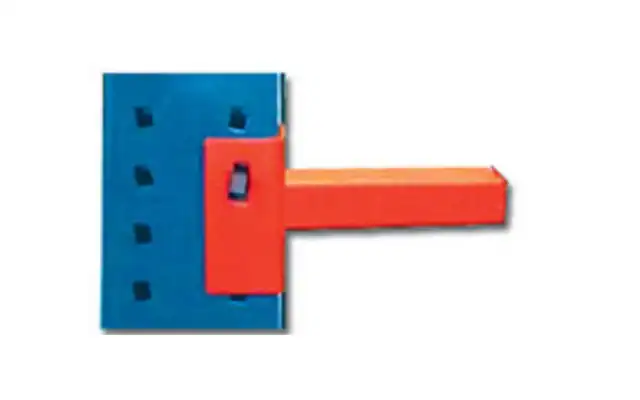
Standard Arm
An open arm end where a stop is not required for the application.
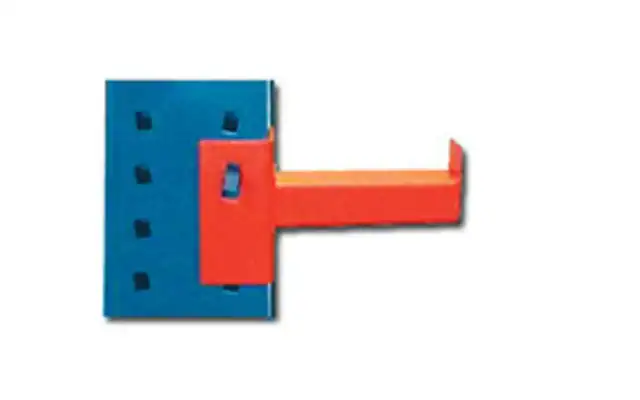
Welded End Stop
A fixed raised stop at the end of the arm.
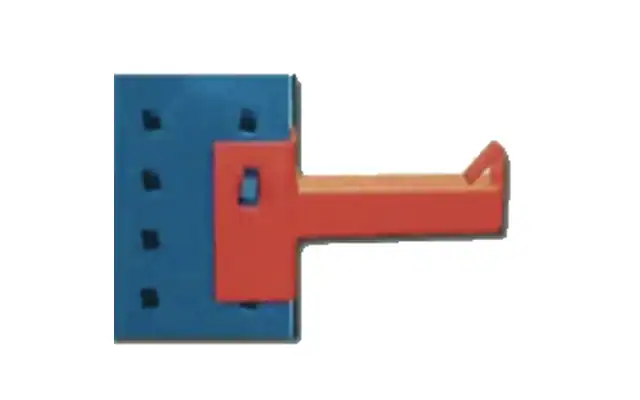
Welded Wedge Stop
A fixed wedge-shaped stop for applications calling for this profile.
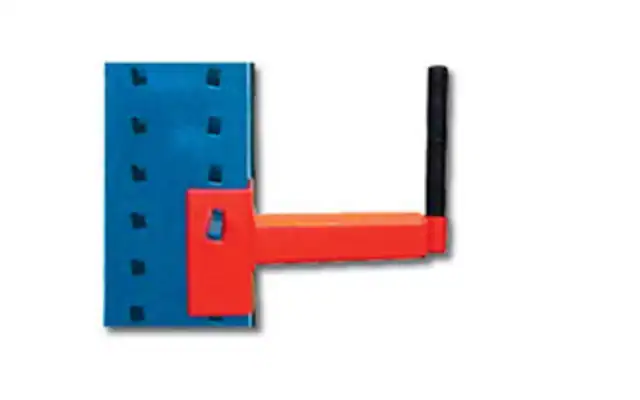
Removable Pipe Stop
A removable stop where the loading method calls for it.
End stops are not substitutes for proper load support and placement. They do not increase the rated capacity of an arm.
Sizes & catalogue ranges
These ranges cover different configurations within the product line. They are a starting point for a quote, not a load rating for any rack pictured on this page.
Tell us the length, depth and weight of your materials, how many levels you need, and whether you will handle them by forklift, side loader, crane or by hand.
Not every size is available at every capacity. Final ratings depend on the specified components and complete engineered layout. Do not establish column capacity by simply adding the arm ratings together.
More than open arms.
Decking for mixed-size stock
Suitable decking can create continuous shelf surfaces across the arms for sheet products and materials that need additional support. The deck and supporting arms are selected together for the load.
Outdoor & roofed storage
Ask about outdoor finishes, roofed arrangements and side or back cladding. Wind, snow, drainage and local requirements must be considered for the site and structure.
Aisle guides & protection
Floor guide rails, entry guards and equipment-specific options can be considered where the handling method calls for them. Aisle width and rack clearances should be planned with the equipment.
Cantilever racking photos
Explore layouts, arms and stored materials. Select any photo to see the full image.
Cantilever racking questions
When is cantilever a better fit than pallet racking?
Cantilever is especially useful for long materials that need several support points and open front access, such as lumber, pipe and steel bar. Pallet racking is generally arranged around pallet positions and front upright frames. The best choice depends on the material and how you handle it.
How many arms do I need to support a load?
That depends on the product’s length, stiffness, weight and acceptable overhang. Material must have suitable support along its length, not simply fit between the outermost arms. Send us the load details so the support spacing and number of columns can be specified.
Can I change the arm heights later?
The featured formed system has arm locations adjustable in 3″ increments. Changes still need to stay within the approved configuration and capacity. Unload the affected area and confirm suitability before modifying a rack.
What does “uniformly distributed load” mean?
It means the load is spread over the intended supporting length rather than concentrated at one point or near an arm tip. Published uniformly distributed ratings should not be used as point-load ratings.
Are the listed capacities the same for every rack?
No. The table shows a range across the product line, not the capacity of a specific arm length, height or pictured installation. Arm and column capacities, number of levels, connections, bracing and anchorage must all match the specified system.
Can cantilever racking be installed outdoors?
Outdoor configurations can be considered with suitable finishes and site-specific design. Roofs and cladding introduce additional requirements, including wind and snow loads, and should be part of the original design rather than added without review.
Do you supply and install cantilever racking?
Yes. JB Equipment supplies warehouse equipment, ships across Canada and provides installation across the GTA and Southern Ontario. Send your requirements and we can discuss a layout, supply and installation proposal.
Tell us what you store. We’ll help plan the rack.
Send product lengths, load weights, available space and a few photos. Include your handling equipment and whether the installation will be indoors or outdoors.